
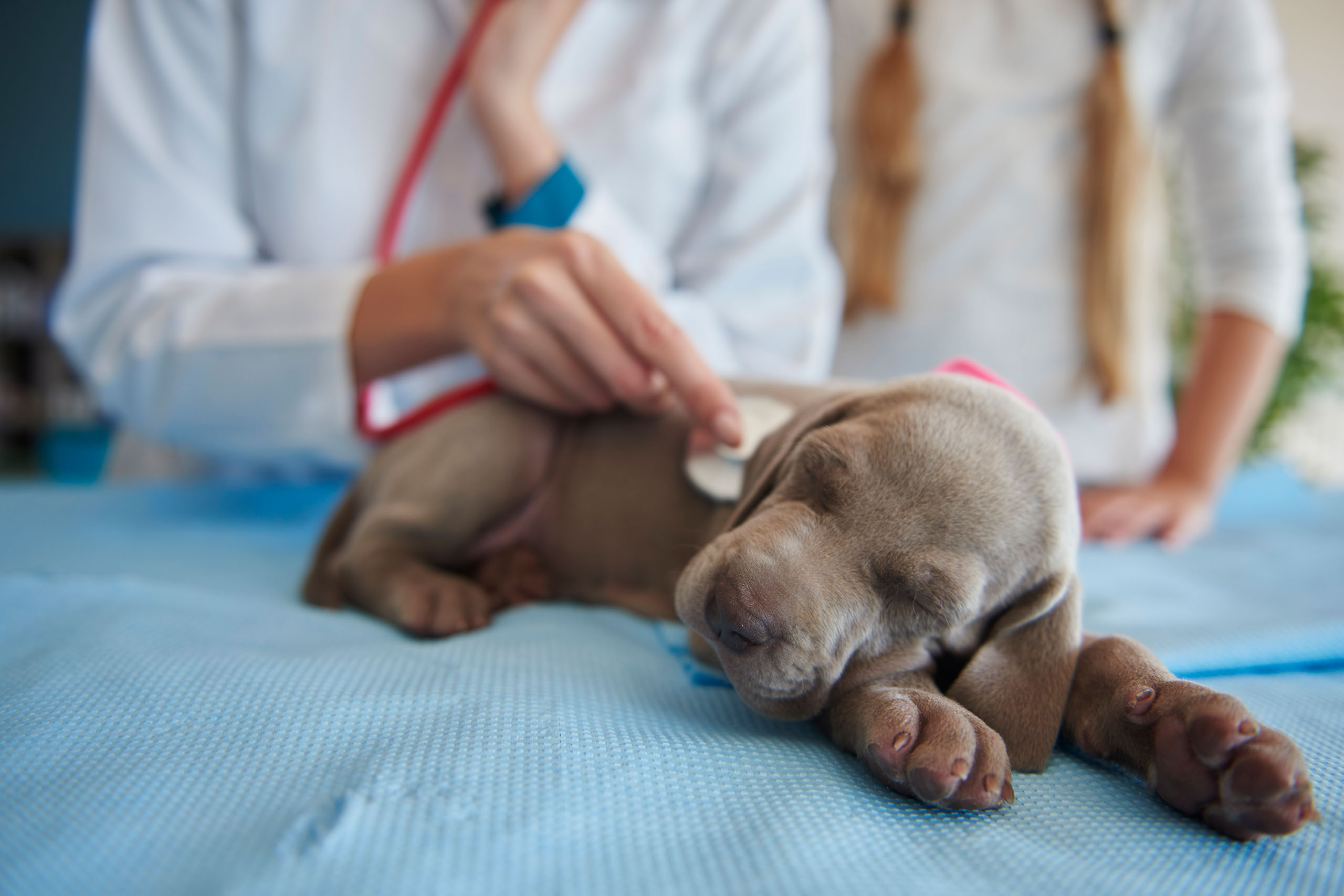
Limping or lameness is one of the most recognizable signs of pain or discomfort. If your pet begins limping, there is usually something wrong.
Reduced appetite or thirst can indicate that something more severe may be wrong, but it can also be a sign of pain or discomfort.
Shifts in energy are another way to tell that your pet may be in pain. If your pet starts sleeping or resting more, this may be a sign they are uncomfortable. Not going up or down stairs and not playing or jumping as much are other changes to monitor. Cats, especially, will hide or avoid jumping and exploring high surfaces if they are uncomfortable.
Overgrooming or changes in grooming habits may indicate that something is bothering your pet. If your pet suddenly begins overgrooming a certain area, this could be a sign of discomfort. Additionally, if your pet stops grooming altogether, this may indicate they are in too much pain to groom themselves.
Changes in bathroom habits can signal that your pet is in pain. Constipation can be caused by pain if your pet is unable to posture to eliminate stool. Cats may have trouble entering and exiting the litter box and, therefore, may go elsewhere.
Vocal and postural cues are other signs of pain or discomfort. Unusual whining, growling, or cat purring can indicate pain, as can a hunched back, stiff posture, or facial grimacing.
Increases in respiration or respiratory effort can be caused by pain.
Before your pet begins to show signs of pain, it is important to ensure they are living a healthy lifestyle. Many injuries are inevitable, but most can be prevented. Providing your pet with a healthy diet and adequate exercise is crucial. Pets that are overweight and not eating a balanced diet are more prone to injury.
Let’s say your pet begins to experience one or more of these changes or symptoms, now what? NEVER offer your pet over-the-counter pain medication, these can be highly toxic to cats and dogs. The first thing to do after recognizing any symptoms is to contact your veterinarian. Rest your pet until their veterinarian can see them, and keep them from running, jumping, or climbing stairs. Short leash walks only for bathroom breaks are recommended for dogs; no off-leash activities.
If your pet is showing signs of discomfort, please get in touch with us to schedule an appointment at (401) 398 -7807.